
lrh-biography Logo lrh-biography Contact Us
Contact Us

Textile Layering Techniques for Every Room

Learn how to combine throws, blankets, and cushions to create depth and warmth without permanent changes to your walls or furniture.

7 min read Beginner May 2026
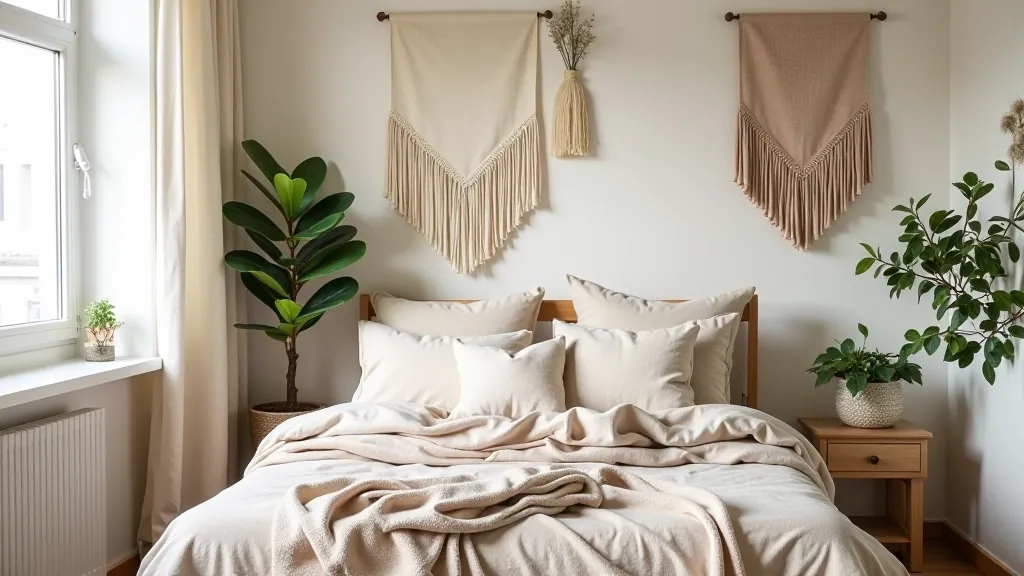
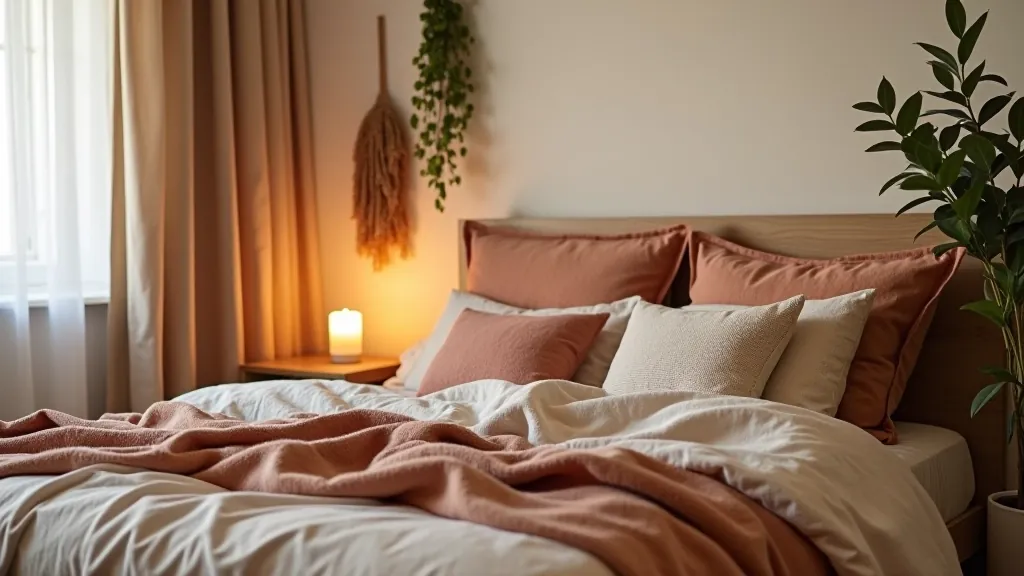
Cozy bedroom with layered textiles, throws draped over bed, decorative pillows in warm tones, soft lighting from bedside lamp
Laima Vaitkutė, Senior Interior Styling Consultant

Laima Vaitkutė

Senior Interior Styling Consultant

Certified interior stylist and home transformation expert with 12 years of experience creating cozy Lithuanian homes without renovation.

Why Textiles Transform Everything

The secret to a cozy home isn't paint or new furniture—it's textiles. You can completely change how a room feels by layering different fabrics, textures, and weights. A single throw blanket draped just right can make your sofa inviting. Add a few cushions and suddenly the whole space has personality. This approach works whether you're renting in Klaipėda or own your place in Šiauliai.

What's really great about textile layering? It's reversible, affordable, and you can adjust it seasonally. Don't like how something looks? Change it out in minutes. Moving to a new apartment? Everything comes with you. That's the real appeal—you're not committing to anything permanent, but the impact on your space is undeniable.

The Core Principle

Layering isn't about having the most stuff. It's about combining pieces intentionally—mixing weights, textures, and colors so each layer adds something different to the final look.

Starting with Your Base Layer

Every room needs a foundation. This usually means choosing your main piece—a large sofa, bed, or armchair. This is where you'll build from. Don't overthink it. Your existing furniture probably works fine.

The base layer should be neutral or a color you genuinely love because it'll stay put. We're talking about the upholstery itself, which isn't going anywhere. Once that's established, everything else builds on top of it. Think of it like getting dressed—you start with basics, then add interesting pieces on top.
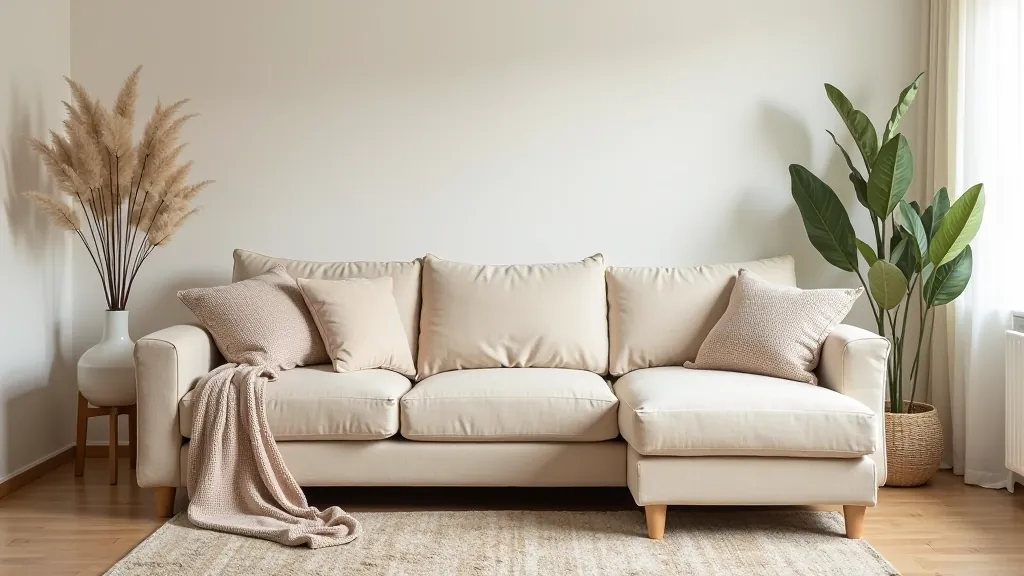
Living room with neutral beige sofa as the base, ready for textile layering with throws and cushions
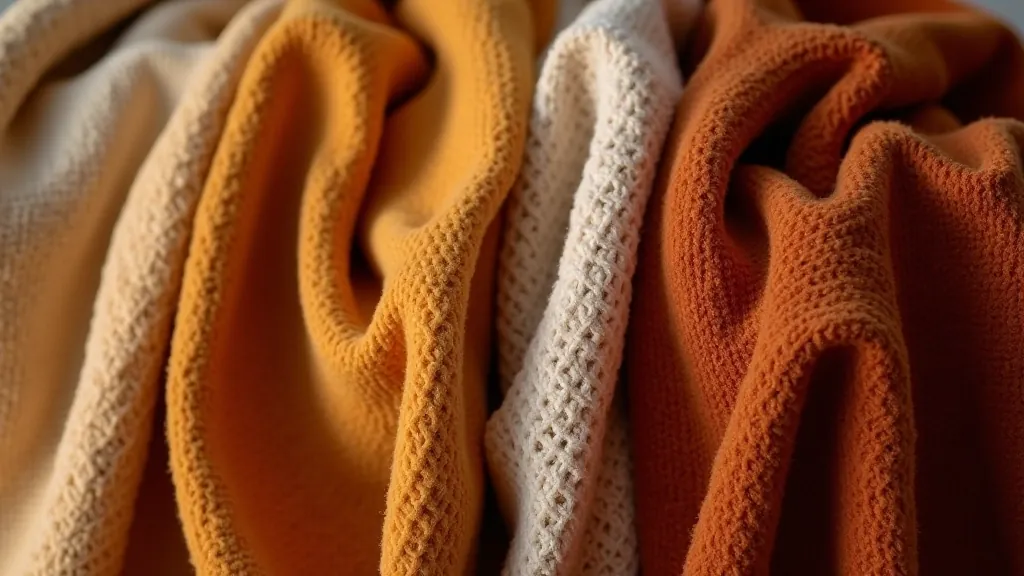
Close-up of different throw blanket textures including knit, linen, and velvet fabrics in warm autumn colors

Choosing Your Throw Blankets

Throws are your second layer, and they're where things get interesting. You'll want at least 2-3 throws for each main seating area. Different weights work for different seasons. A lightweight linen throw feels perfect in summer, while a chunky knit throw becomes essential from October through April. In between, a medium-weight cotton blend gives you flexibility.

The texture matters more than you'd expect. A smooth throw paired with a chunky one creates visual interest even if they're similar colors. We recommend mixing at least two different textures in every room. If your sofa has clean lines, a textured throw softens it. If your space already feels busy, keep throws simpler. You're not trying to fight your room's personality—you're enhancing it.

Size matters too. A throw should cover roughly 60-70% of your sofa or chair when draped. Too small and it looks like an accident. Too large and it overwhelms the piece. Most quality throws measure around 50 by 70 inches, which works for most standard furniture.

Cushion Strategy That Actually Works

Cushions do the real heavy lifting in textile layering. They add color, pattern, and comfort without requiring you to replace anything. Start with a simple rule: use odd numbers. Three cushions on a sofa, five on a bed. Odd numbers feel more natural to our eyes than even ones.

Mix your cushion sizes. Don't put three identical 20-inch square pillows in a row—that's boring and looks stiff. Instead, try one large rectangular pillow at the back, two medium square ones in front, and a small round cushion for texture. This creates depth and movement. You're essentially building a landscape with fabric.

Colors should relate to each other somehow. They don't all need to match, but they should talk to one another. If you're working with a warm color palette, that means creams, terracottas, and warm grays. Cool palettes use blues, greens, and silvers. Once you've chosen your color family, add one cushion in a complementary accent color—maybe a jewel tone or a subtle pattern that ties everything together.

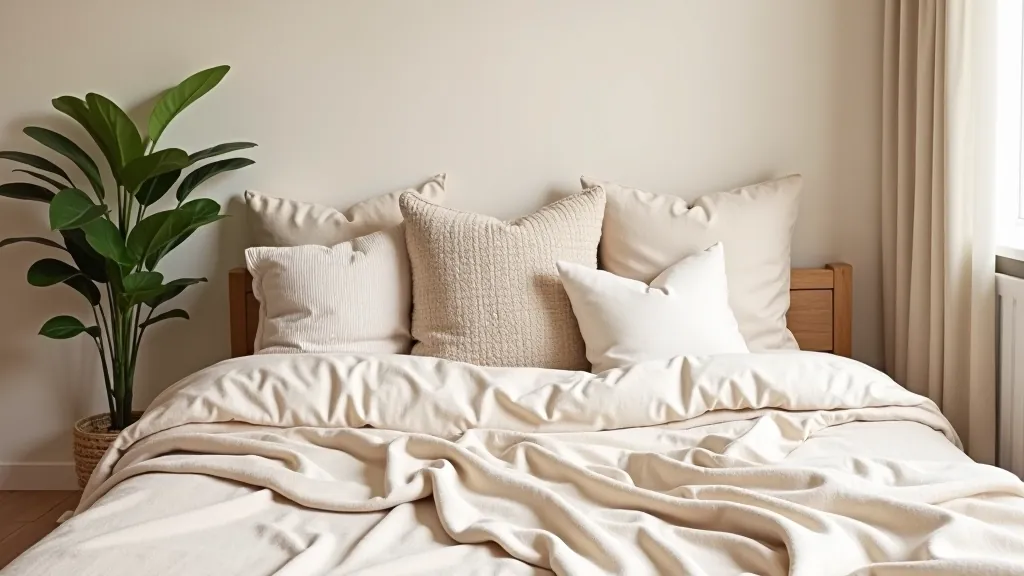
Bed styled with layered cushions of different sizes, patterns and textures arranged at the headboard in neutral and warm tones

Texture Combinations That Never Fail

Here's where it gets practical. The best textile combinations pair different textures that complement rather than compete. A smooth linen throw with a chunky knit cushion works. A velvet cushion with a cotton throw works. What doesn't work as well? Three different fuzzy, nubby textures all competing for attention. Your eye doesn't know where to land.

Think about weight and visual density. If your room gets strong natural light, lighter textures (linen, cotton, lightweight knits) feel right. Darker spaces benefit from richer textures (velvet, boucle, heavy knits) because they catch light and add visual interest. It's not a hard rule, but it's a helpful guide when you're making decisions.

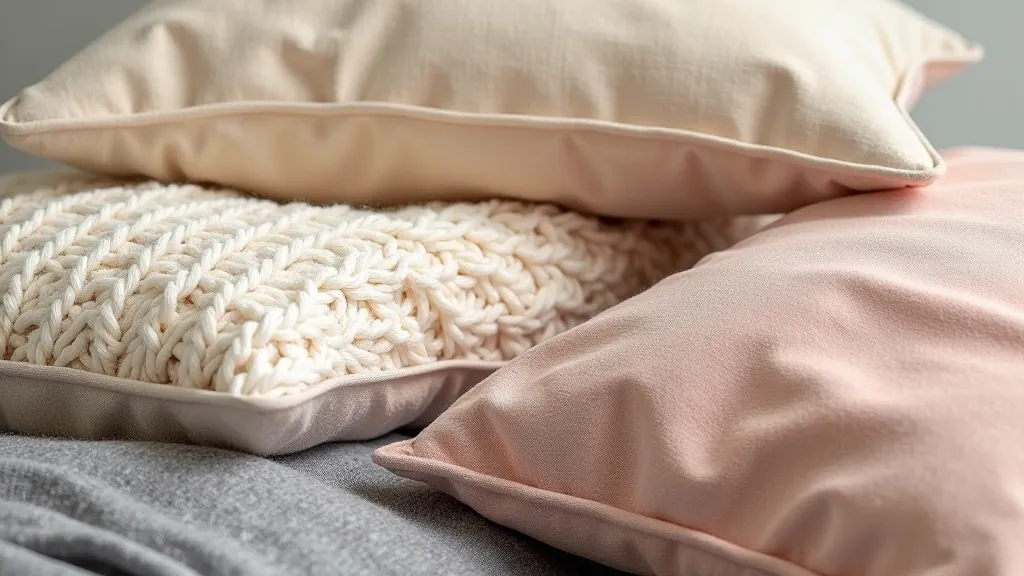
Detail shot showing three different fabric textures layered together - smooth linen, chunky knit, and soft velvet in coordinating colors

Important Note

This guide provides general interior styling suggestions based on common design principles. Individual results depend on your specific space, lighting, existing furniture, and personal preferences. For rental apartments, always check your lease agreement regarding modifications. If you're working with limited budgets, start small with one or two quality pieces rather than many inexpensive ones—they'll last longer and look better.

Room-by-Room Approach

Your living room needs different textiles than your bedroom, and that's okay. A living room gets traffic—people sit, move around, maybe eat snacks. You'll want durable fabrics that hide wear well. Bedrooms are more intimate, so you can experiment with softer, more delicate textures. Home offices benefit from textiles that reduce echo and add focus without being distracting.

In kitchens and dining areas, keep textile layering minimal. A single throw over a chair back, maybe one cushion on a dining chair. These spaces get messy, so you don't want textiles that demand constant care. Bathrooms? Skip the layering altogether. Stick to a good bath mat and maybe a single towel rack throw.

The beauty of this approach is flexibility. You're not locked into anything. When spring arrives and you want your home to feel lighter, swap heavy winter throws for linen ones. When autumn comes, bring back the chunky knits. Your furniture stays the same, but your space transforms. That's the real power of textile layering.

Creating Your Layered Home

You don't need to renovate, repaint, or buy new furniture to make your home feel cozy and intentional. Start with one room. Choose your base layer, add 2-3 throws in different textures, then layer in cushions using odd numbers and complementary colors. Notice how the space changes. Once you see how much difference textiles make, you'll naturally want to layer in other rooms too.

The best part? This approach works whether you're creating a cozy space in a rented flat or a home you own. Your textiles travel with you. They're the quickest, most affordable, and most reversible way to transform any space into somewhere you actually want to spend time. Start today. Your future, cozier home is just a few throws and cushions away.

Explore More Home Styling Ideas